Updated: 07 July 2026
"Data center solution" is one of those phrases that means everything, and therefore nothing, until you are the one buying one. Then the definition matters, because it determines what you are actually paying for and what you have the right to expect. Here is the plain answer, the parts that make it up, and the outcomes a good one should deliver.
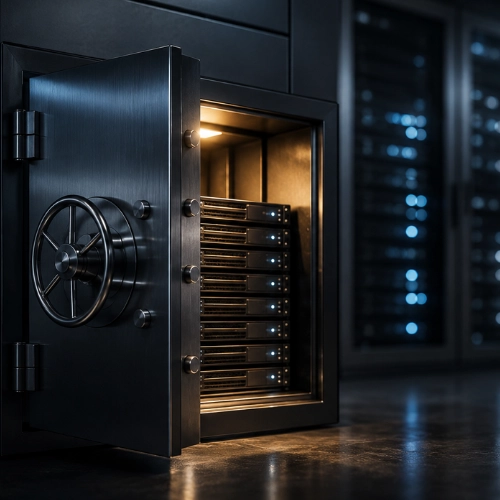
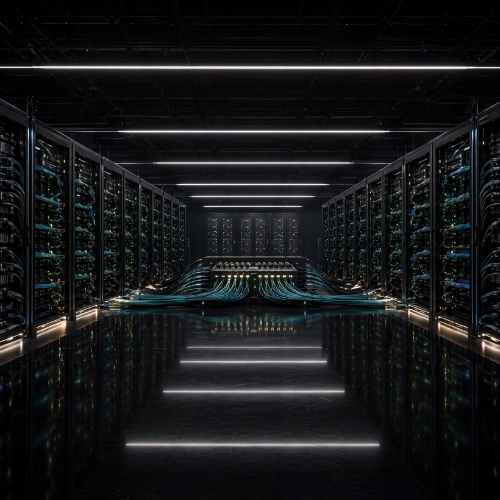
A data center solution is the combined set of infrastructure, compute, storage, networking, virtualisation, data protection and increasingly AI infrastructure, that runs an organisation's applications and data, whether on-premise, in a colocation facility, or in a hybrid model. It is not a single product but an integrated system, designed so that each layer supports the workloads it has to carry and the business outcomes behind them. A good solution is defined by how well those layers work together, not by any one component.
Six layers, working as one system. Each does a distinct job, and a weakness in any one limits the rest.
| Layer | What It Does |
|---|---|
| Compute | Servers that run virtual machines, databases and applications |
| Storage | Holds and serves data, from all-flash to capacity tiers |
| Networking | Connects the components and carries traffic between them |
| Virtualisation | Pools and abstracts resources so they can be used efficiently |
| Data Protection | Backup, disaster recovery and ransomware resilience |
| AI Infrastructure | GPU compute and fabric for AI workloads, where needed |
A data center is the facility and the equipment; a data center solution is the designed, integrated capability that runs on it and delivers business outcomes. The distinction matters because owning the boxes is not the same as having a solution. A rack of servers, an array and some switches become a solution only when they are designed together, sized to the workloads, protected, and operated to meet defined objectives. The "solution" is the engineering and integration that turns components into something the business can rely on.
Outcomes, not just specifications. A good solution should deliver the performance your workloads need, the resilience to recover from failure or attack within objectives you have set, the ability to scale as demand grows, security and compliance with your obligations, and a cost that is predictable and justified. The right test of a data center solution is not "what hardware is in it" but "does it deliver these outcomes reliably". If a proposal lists components but cannot speak to recovery times, scaling or business outcomes, it is describing equipment, not a solution.
Anywhere the workloads and obligations require, and often in a mix. A data center solution can run in your own facility for maximum control, in a colocation facility where you own the equipment but rent the space, power and cooling, or in a hybrid model that blends owned infrastructure with cloud. The right location for each workload depends on its performance needs, its data sensitivity and residency requirements, and cost. A modern solution is frequently hybrid, placing each workload where it best fits rather than forcing everything into one model.
The addition of infrastructure built to train and run AI as a primary workload: GPU compute, storage with the throughput to feed it, a low-latency network so GPUs scale, and the power and cooling that dense AI racks demand. An AI-ready data center solution carries these alongside the traditional layers, so the same environment runs both business applications and serious AI workloads. As AI moves into production, AI-readiness is increasingly part of what a data center solution is expected to deliver, rather than a separate project.
Start from your workloads and outcomes, then design the layers to meet them, and choose the platforms last. The common mistake is to begin with a brand or a budget and work backwards, which tends to produce a collection of components rather than a solution. Begin instead with what the business needs the infrastructure to do, performance, resilience, scale, compliance, cost, and let those requirements drive the design. This is where an experienced, multi-OEM partner adds value over a single-vendor reseller, because the recommendation follows your workloads rather than one product line.
Understanding what a data center solution is gets you to the right questions; designing and delivering one that meets your outcomes is the work that follows. Proactive Data Systems designs, builds and runs complete data center solutions for Indian enterprises, across compute, storage, networking, virtualisation, data protection and AI infrastructure. We are a Cisco Preferred Cloud and AI Partner, Dell Platinum Partner and NetApp Preferred Partner, with 35 years in enterprise IT, more than 1,500 organisations served, and a 24/7 service desk in India. To define what yours should deliver, you can ask Proactive for a data center assessment.

Proactive Data Center Team
We'll get back to you shortly.