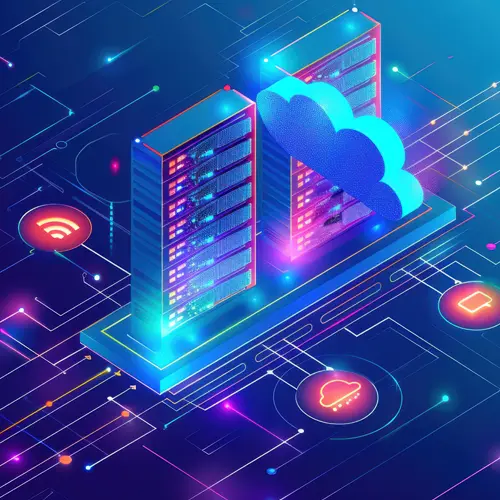
The Industrial Internet of Things (IIoT) refers to the use of connected sensors, devices, and analytics platforms to monitor, collect, and optimise data from industrial systems. It extends the concept of IoT into manufacturing, logistics, energy, and other heavy industries where real-time operational insights can improve efficiency, safety, and productivity.
How It Works
IIoT connects machines, controllers, and sensors within industrial environments through secure networks. These devices generate continuous streams of data about temperature, vibration, energy usage, and performance metrics. Cloud and edge computing platforms process this data to identify patterns, detect anomalies, and predict maintenance needs.
A typical IIoT ecosystem includes:
- Smart sensors that collect data from machines or production lines.
- Gateways and edge devices that filter and process data locally.
- Analytics platforms that turn data into actionable insights.
- Automation systems that adjust operations autonomously based on feedback.
Business Applications
IIoT is transforming industries through predictive maintenance, real-time asset tracking, and digital twin technologies.
-
Manufacturing: Identifies machine wear before breakdown, reducing downtime and maintenance costs.
-
Logistics: Tracks shipments and warehouse conditions for just-in-time delivery.
-
Energy: Optimises grid performance and reduces wastage through smart monitoring.
-
Oil and Gas: Monitors equipment health and enhances worker safety in remote sites.
IIoT also supports AI-driven automation, allowing industrial systems to self-optimise. It helps enterprises move from reactive to predictive and prescriptive decision-making.
India’s Industrial Shift
India’s smart manufacturing initiatives under the Digital India and Make in India programmes are accelerating IIoT adoption. Factories are increasingly deploying sensor-based monitoring and automation to improve competitiveness and sustainability.
Considerations
While IIoT offers high ROI, it also introduces cybersecurity challenges. Protecting OT (Operational Technology) networks, ensuring data interoperability, and managing legacy systems are critical for success. Collaboration between IT and OT teams is essential for secure and effective deployment.