Updated: 10 June 2025
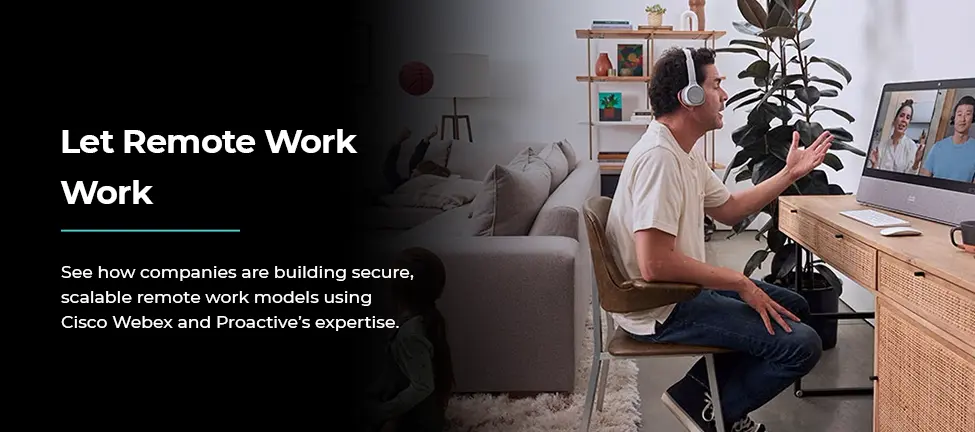
Most companies have solved remote access by now. VPNs, cloud drives, and video calls work. But collaboration is not just access. It is real-time trust, workflow continuity, and data control.
In cities like Gurgaon, Hyderabad, and Pune, remote teams are not a phase. They are the operating model. Whether you run sales out of coworking spaces or developers from home, what you need is not more apps. You need a system that connects people, without exposing the business.
Security has to be native. Integration has to be seamless. Control has to be central.
Start with file sharing. A product team in Pune sends a PDF to a freelancer on Gmail. That file goes outside your control. A contract updated over WhatsApp never makes it to the CRM. A finance team in Gurgaon sends tax data over a personal email. The company never knows.
Then come the meetings. Video links shared with the wrong participant. Guests joining with zero authentication. Recordings stored without policy. Now add apps. Messaging in one tool, meetings in another, whiteboarding in a third. No consistency. No audit trail. And every new tool means a new risk vector.
Cisco designed its collaboration stack to prevent these problems.
Cisco Webex Meetings and Messaging enforce authentication at the point of entry. External participants get flagged. Permissions are set per meeting.
Webex Control Hub gives IT one pane to manage users, data policies, compliance, and integration.
End-to-End Encryption protects content in transit and at rest.
Zero Trust Access ensures every user is verified and every device is profiled.
Data Residency and Compliance Options help meet sector and location-specific mandates in India.
This isn’t collaboration with a security patch. This is security as the base layer.
A SaaS company based in Hyderabad scaled from 60 to 220 people post-pandemic. Teams worked across 3 cities. Developers preferred Slack. Sales used Zoom. HR picked Google Meet. Data scattered. Projects delayed. Alerts increased.
Proactive Data Systems implemented Cisco Webex with Control Hub. One interface, one policy. Identity-based permissions governed meetings, messaging, and file sharing. Endpoint logs went to SecureX. MFA and geo-fencing kicked in.
The result: 70 per cent reduction in unauthorised access alerts. Time to onboard a new team member dropped by 60 per cent.
According to Forrester’s 2023 Collaboration Security Survey, 63 per cent of Indian firms report at least one data leak tied to remote collaboration apps.
Cisco’s 2024 Security Outcomes Report shows that companies with integrated collaboration and security stacks report 45 per cent fewer unplanned outages.
Most partners configure what you buy. Proactive helps you decide what actually works.
We begin with a collaboration audit. Who talks to whom, how, and on what terms?
Then we design a policy that fits your structure, scale, and compliance scope. Whether you're a fintech in Gurgaon, a biotech firm in Pune, or a product team in Hyderabad, our implementations carry policy in the design.
We don’t just secure remote work. We structure it.
The tools you use to move fast should not increase your exposure. The more distributed your teams, the more centralised your control has to be.
Cisco provides the platform.
Proactive makes it operational, policy-driven, and easy to scale.

Kunal Gill Head, Cloud Calling Practice, Proactive Data Systems
We'll get back to you shortly.